
At the UFA we believe that a whole education unlocks the opportunity for every child to succeed, particularly those who face additional challenges.
Our learning and research since we began as a national educational charity nearly 20 years ago has led us to focus our work around developing young people’s leadership. Schools and organisations who give young people a voice and influence in learning have increased engagement of students, better attendance and behaviour leading to higher attainment. We also know leadership builds character with the ability to lead self and others, it deepens the learning experiences, and the skills developed are transferable. Schools, organisations and young people on our programmes benefit from training, coaching and opportunities to lead real life projects. They develop self-awareness, self-responsibility and a set of skills that enable them to be better learners, ready for life in the workplace, and more responsible citizens in the wider community. Welcome to the UFA.
Question
Would you like to develop leadership in your children and young people?
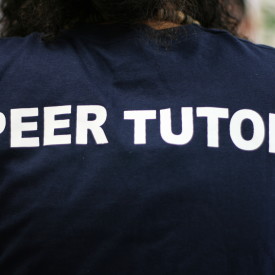
The development of leadership skills – leading yourself and leading others – is so important to individuals, to communities and to the country, that we have developed approaches that all young people can access. Whether it's around learning to lead their own learning or being in a leadership role as a peer tutor, a member of school council or leading a social action project, UFA supports children and young people to develop their leadership skills in real-world contexts.
Question
Do you believe how we learn is more important than what we learn?
Since 1996, we have learned a lot from a wide body of research from the worlds of education, neuroscience and psychology and what has informed us most of all is what happens when we put these theories into practice. Our 10 learning essentials create a truly engaging and motivating experience which leaves young people hungry for more. They are the ingredients that create the unique learning experience that is UFA. These 10 Learning Essentials form the basis of all our programmes for both adults and young people alike.
Answer
A programme with UFA can help you and your organisation improve results and develop skills, leadership and confidence
We believe that leadership and learning are integral to each other. Our experience shows us that leadership deepens understanding, enables young people to practise and gain mastery and is transferable to other settings. Our genuine leadership roles create an environment where they increase their self belief and confidence and importantly learn how to lead themselves as well as others.
How do we make this possible?
fa-comments-o
Work with young people
High quality training delivered by our experienced team directly to your young people enabling them to become confident in taking on a leadership role and develop their skills, character and knowledge.
fa-thumbs-o-up
Train adults
Professional development training for your staff and resources so you can run our programmes with your young people.
fa-smile-o
Support and challenge
Providing expertise and experience to develop a whole school approach to transforming learning through leadership within your school structure, ethos and curriculum.
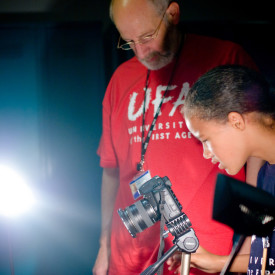
Want to see our programmes in action?

Any other questions?
I want to improve results, how can you help?
UFA's programmes develop young people's skills and character which has a positive impact on engagement in learning, behaviour and attendance and leads to improved results.
I want to make long term changes in my organisation, how is that possible?
UFA's programmes provide a framework for transformational change through modelling, building your own capacity and embedding, based on action research.
How can I increase confidence in my children & young people?
Developing children and young people as leaders of self and others and providing real opportunities for them to experience and reflect on their skills and character leads them to become more confident in who they are and what they can achieve.
I'd like to find more about you, where should I go?
You can either read more about our approach to learning and young people's leadership in the about section or see what others say about us in case studies.
Get in Touch
Still Not Found An Answer?
Please get in touch via the form below and we'll call you back at a time to suit you. Or call us on 0121 766 8077